Cerridwen: The Cauldron and Taliesin
October 25, 2026
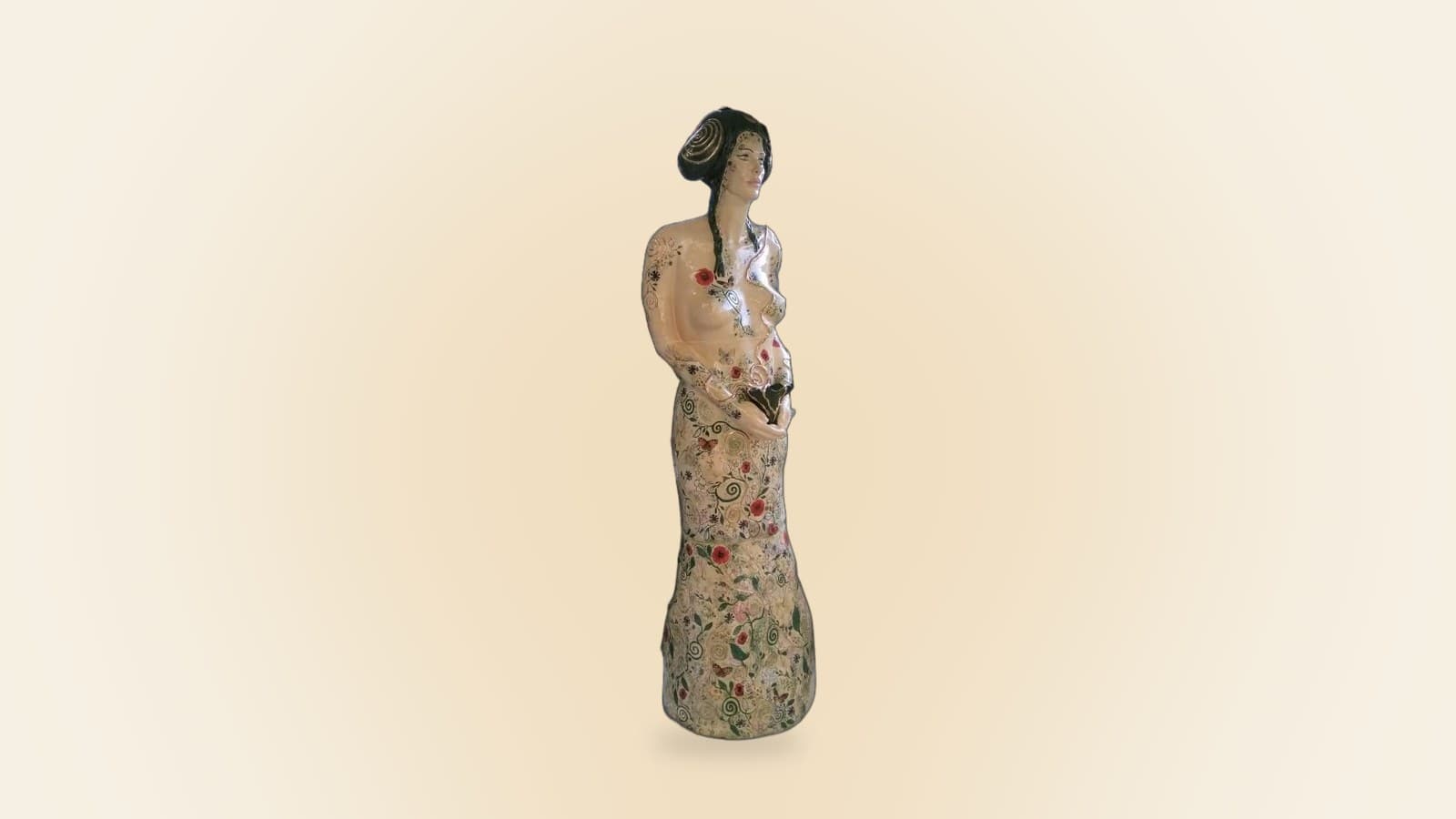
Cerridwen’s story is the Tale of Taliesin (Hanes Taliesin). According to the scholarly overview, it is first attested in a sixteenth-century manuscript by Elis Gruffydd. In Lady Charlotte Guest’s translation of 1877, she is the wife of Tegid Voel, whose dwelling lies in the middle of Lake Tegid in Penllyn, in North Wales. Their son Avagddu is “the most ill-favoured man in the world”. So Cerridwen resolves, by the arts of the books of the Fferyllt, to boil a cauldron of Inspiration and Science for him, and it must not stop boiling for a year and a day.
Gwion Bach and the transformation chase
Gwion Bach stirs the cauldron, and a blind man named Morda kindles the fire. Towards the end of the year, three drops fly out and fall on Gwion’s finger. He puts the finger in his mouth and foresees everything that is to come. A chase in changing shapes follows: he becomes a hare, she a greyhound; he a fish, she an otter; he a bird, she a hawk; he a grain of wheat, she a black hen, and she swallows him. She carries him for nine months. When he is born, she cannot bring herself to kill him because of his beauty, and casts him into the sea in a leather bag. At the weir of Gwyddno the bag is found. “Behold a radiant brow!” says the man who opens it, and Elphin names the child Taliesin.
Cerridwen’s cauldron and awen
In medieval Welsh legend, Cerridwen is an enchantress. Poets of the twelfth and thirteenth centuries already name her cauldron as the source of poetic inspiration, awen, and in the tale Taliesin himself says: “I have obtained the muse from the cauldron of Caridwen.” Since the nineteenth century many writers have read her as a goddess; the historian Ronald Hutton calls this a speculative back-projection, as the scholarly overview reports. In this artistic interpretation, Cerridwen is the goddess of transformation: the dark time in the cauldron before the change, and the price of wisdom.
The three drops and the poisonous brew
The cauldron’s contents are more dangerous than a simple gift of wisdom. In Guest’s version, only three drops carry inspiration; the remaining liquid is poisonous. When the vessel splits, its contents enter a stream and kill Gwyddno’s horses. Knowledge and harm emerge from the same preparation. As a modern reading, this gives the cauldron a sharper meaning than an uncomplicated symbol of abundance: the desired result cannot be separated from the danger surrounding it.
Cerridwen, Morda and the work of brewing
Cerridwen also works while others tend the vessel. Guest describes her collecting herbs at planetary hours, guided by learned books. Gwion stirs and Morda maintains the fire. The episode distributes the labour among three people, while Cerridwen directs the undertaking. These details belong to the literary version being read. They provide no dependable modern recipe, list of offerings or instructions for invoking her. The story’s preparation matters because it makes the loss of a year’s work tangible.
That loss leads to a disturbing mistake. Cerridwen strikes Morda before accepting his protest that he is innocent. The episode complicates a gentle image of the nurturing mother: her purpose begins with her son’s prospects, but her anger injures someone who has not taken the drops. A modern interpretation can hold care, possessiveness and misdirected violence together here. Nothing requires smoothing those contradictions into a reassuring lesson in personal growth.
Taliesin’s poetry and the Welsh manuscripts
The story also follows inspiration beyond the chase. The infant Taliesin consoles Elphin in verse and promises to be more useful than a catch of salmon. Later, his poetic ability confronts the authority of Maelgwn’s court. The result of the cauldron is therefore a speaking poet whose words act in the world. Reading awen through these episodes brings attention to language, performance and patronage, alongside the better-known imagery of swallowing and rebirth.
The manuscript background keeps that literary world in focus. The National Library of Wales identifies the Book of Taliesin as Peniarth MS 2 and notes both native Welsh tradition and Latin learning within its poems. Its collection includes Arthurian material as well as praise poetry. Those different kinds of writing help explain why the name Taliesin cannot simply designate one author or one historical moment throughout the volume. The cauldron belongs within a changing literary inheritance.
For the prose narrative, Peter Bartrum’s Welsh Classical Dictionary distinguishes Elis Gruffydd’s version from Guest’s reconstruction and notes variations in the child’s vessel and discovery. The National Library dates completion of Gruffudd’s world chronicle to about 1552. These are useful reference points for transmission, not dates for the invention of every element in Cerridwen’s story. They also explain why a retelling should identify its version instead of presenting all surviving details as one original account.
Frequently asked questions
What does the name Ceridwen mean?
The meaning is not settled. Medieval manuscripts spell the name Kyrridven, Kerrituen and in similar ways. The ending is most often -fen, from an old word ben, “woman”; the familiar -wen, “fair”, comes from a confusion of spellings. Ifor Williams read the name as “woman with a crooked back”, while Marged Haycock suggests other readings, among them “woman to be believed in”. This summary follows the scholarly overview listed below.
Is Cerridwen a Celtic goddess?
In medieval Welsh legend she appears as an enchantress who keeps the cauldron of inspiration. Since the nineteenth century, many writers and modern pagans have seen her as a Celtic goddess of rebirth, transformation and inspiration. Historians such as Ronald Hutton regard that image as a modern reading.
Who is Taliesin?
In the tale, Taliesin is Gwion Bach, reborn from Cerridwen. The name also belongs to a sixth-century poet, to whom many poems in the Book of Taliesin are attributed. That manuscript dates from the fourteenth century and already mentions the cauldron of Ceridwen.
Why does Cerridwen’s cauldron break?
Guest’s narrative connects its breaking with the poisonous liquid left after the three effective drops escape. The spill kills horses downstream. The vessel is not simply an inexhaustible source of nourishment, and its danger is part of this particular telling.
Does the Tale of Taliesin describe offerings or crystals for Cerridwen?
The preparation passage in Guest describes books, herbs, fire and the boiling vessel. It does not prescribe crystals or a devotional offering practice. Contemporary spiritual associations should be identified as contemporary and supported separately, rather than attributed to this passage.
Is Cerridwen’s cauldron the same as the cauldron in the Book of Taliesin’s Arthurian voyage?
The National Library describes Preiddeu Annwfn as an Arthurian expedition to obtain a spear and cauldron. Guest’s prose story concerns inspiration intended for Cerridwen’s son. These are different textual settings; the shared vessel does not establish that they describe the same object.
See the sculpture: Cerridwen
Sources
- Book of Taliesin, early 14th century: many poems attributed to Taliesin (National Library of Wales)
- “Taliesin”, in The Mabinogion, tr. Lady Charlotte Guest, 1877 (Wikisource)/Taliesin)
- Ceridwen: manuscripts, name, poets and interpretation as a goddess (Wikipedia)
- Sculpture facts: atelier RHEAsilvia
- Peter C. Bartrum, A Welsh Classical Dictionary, Taliesin entry, pages 679 to 680: prose versions and variants, hosted by the National Library of Wales
- National Library of Wales, Elis Gruffudd’s Chronicle: completion around 1552 and manuscript context