Modraniht: Mothers’ Night and the Goddess Holda
October 25, 2026
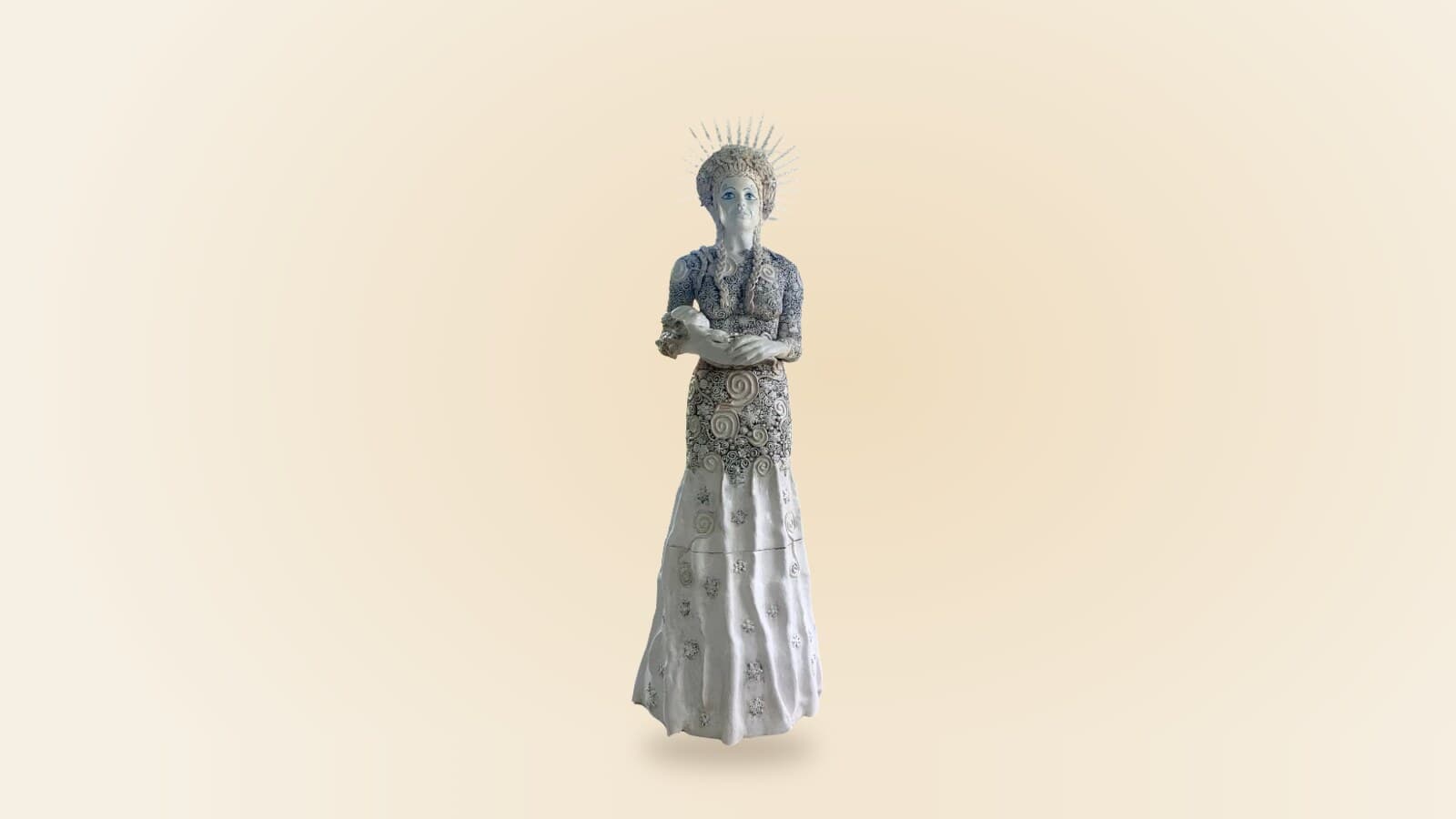
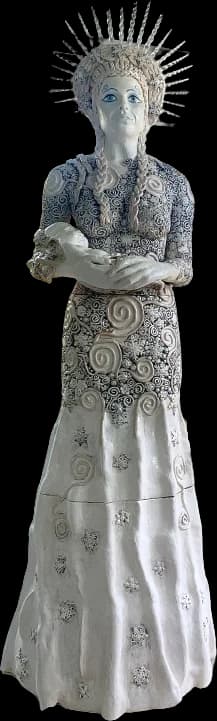
MŌDRANIHT-HOLDA, goddess of Mothers’ Night, keeper of the souls, the cradle of winter
Mōdraniht is Old English and means “night of the mothers”. RHEAsilvia gave her goddess the name Modraniht-Holda. In her, the holy night of the mothers and the ancient earth goddess Holda become one: Holda, who lives on to this day as Frau Holle in fairy tales and legends.
Modraniht: the cradle of winter
- Meaning: Mōdraniht (Old English for “night of the mothers”) was a pagan festival at the winter solstice.
- The myth: It was the longest night of the year, when nature stood still and the sun was symbolically born anew. In this night people honoured the female deities, the ancestral mothers and the goddesses of fate (Dísir or Matronae), who gave protection and fertility for the new year.
- The night of watching: People kept the festival through the whole night, until morning. With Mothers’ Night the new year began.
The longest night is not an empty night. It is the womb in which the light rests before it returns. The mothers keep watch over it, and so do the people who keep the night with them.
The mothers
The mothers are the goddesses who give life, weave fate and protect the family line. All over old Europe they were honoured, often as three. Side by side they sit in their circle and watch over birth, over the family and over the fullness of the harvest. Three is their holy number: as the moon waxes, grows full and wanes, so the mothers go with life from its beginning to its end. In the longest night people called on them, so that they would bless the new year.
Frau Holle: the keeper of the souls
Behind the well-known fairy tale of the Brothers Grimm hides the ancient earth goddess Holda (or Perchta).
- Ruler of the underworld: Her realm lies at the bottom of the well, the entrance to the Otherworld.
- The well of souls: In many regional legends Frau Holle kept the souls of the unborn children in endlessly deep springs or caves, until their time for birth had come.
- Protector of the innocent: If a child dies unbaptised or too early, its soul returns to the lap of Frau Holle. She is the comforting mother who protects these souls.
So Holda stands at both doors of life. The children come from her well, and the souls that leave too early go home to her.
The retinue of the Rauhnächte
In the Rauhnächte that follow, from 25 December to 6 January, the gates to the spirit world opened.
- The Wild Host: In this time Frau Holle, Holda (or Perchta) went over the land as leader of the “Wild Host”.
- The souls of the children: Instead of demons, in gentler tales she was accompanied by the Heimchen, the souls of the children who had died, who went with her in a solemn procession to bring blessing. In the Alpine lands, the night before 28 December, the Day of the Holy Innocents, is the night when the Percht goes about with the souls of the children.
The goddess of Mothers’ Night
Modraniht-Holda unites what belongs together: the night of the mothers, in which the sun is born anew, and the goddess who keeps the souls in the deep well. She is the cradle of winter. In her womb rests the life that is still to come, and there those who have gone find their home. In the longest night she holds the light and the souls in her arms, until the new year begins.
Her name joins the mothers of the old festival with Holda, the great mother of the wells and of the snow. So the goddess has a face, a form and a night of her own.
Modraniht-Holda: the sculpture
RHEAsilvia built Modraniht-Holda by hand from clay, hollow and formed in parts, a unique piece.
- Height: 185 cm
- Construction: hand-built in three parts
- Firing: fired twice
- Material: ceramic
See the sculpture: Modraniht
Frequently asked questions
What does Modraniht mean?
Mōdraniht is Old English for “night of the mothers”. It is the longest night of the year, at the winter solstice, when the mothers were honoured and the sun was born anew.
Who is Modraniht-Holda?
She is the goddess of Mothers’ Night. RHEAsilvia gave her this name. In her the mothers of the holy night and the earth goddess Holda become one: the keeper of the souls, who rules the well and leads the souls of the children through the Rauhnächte.
When is Mothers’ Night celebrated?
At the winter solstice, in the longest night of the year. With it the new year began, and the Rauhnächte follow until 6 January.
Who were the mothers?
The female deities, the ancestral mothers and the goddesses of fate, Dísir or Matronae, who gave protection and fertility for the new year. Often they were honoured as three.
What does Frau Holle have to do with Mothers’ Night?
Holda is the great mother of the winter. She keeps the souls of the unborn children in her well, takes the souls of the children who die too early into her lap and goes over the land with them in the Rauhnächte. So she belongs to the night of the mothers.